 |
|
 |
 |
 |
|
|
 |
| |
| |
 |
| |
| Membrane filtration is often used to supplement
conventional centrifugal separation processes based on gravity differences. |
|
|
 |
|
| |
| Membrane filtration separates out the different components in a feed stream on the basis of the size and shape of the micro-particles within it. And the better the filtration, the better the quality and value of your end product. |
| |
 |
|
Uses membranes in which the pores are small, with a cut-off range from 1,000 to 100,000 Molecular Weight (MWCO), and where the applied pressure is relatively low.
Salts, sugars, organic acids and smaller peptides pass through the pores of the membrane, whereas proteins, fats and polysaccharides do not.
Using appropriate ultrafiltration membranes also makes it possible to fractionate a feed stream into two distinct streams. Each contains dissolved components with different molecular weights.
The unique design of Alfa Laval spiral-wound membrane elements makes sure the feed stream passes through the element under the best possible flow conditions.
This ensures the most efficient separation and superior flux, and that each element has a long service life and is easy to clean.
The core of each spiral element is a perforated central tube, with large membrane pockets attached.
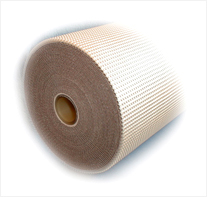
Each of these contains a spacer net that transports the permeate out of the membrane pocket and into the central tube.
Different thicknesses of spacer net between each pocket make sure the feed is evenly distributed over the entire surface of the membrane.
The special tight-rolling technique used in Alfa Laval spiral-wound membrane elements provides the maximum possible active membrane area, which provides correspondingly high permeate capacity.
The exceptional firmness characteristics of Alfa Laval spiral-wound membrane elements ensure long service life and fewer channelling problems, even if there is a high pressure drop across the element.
These membrane elements are also available in special configurations that withstand cleaning at high temperatures and extreme pH values.
|
|
|
|
 |
|
 |
|






